Pipeline Manufacturer Spotlight: Discover the most effective in the Industry for Your Next Project
In the domain of pipeline manufacturing, the choice of supplier can significantly affect the result of your project. With a variety of business offering ingenious services and sophisticated materials, comprehending the essential criteria for option ends up being crucial. Industry leaders like Tenaris, Vallourec, and U.S. Steel go to the leading edge of offering dependable and sustainable options. The concern stays: what details variables should direct your decision-making process, and just how do these suppliers distinguish themselves in a progressively affordable market? Discovering these elements may reveal understandings that might affect your following task's success.
Sector Summary
In the pipeline manufacturing market, there exists a dynamic interaction of technical advancements and regulatory requirements that shapes sector techniques. This market is crucial for the transportation of oil, gas, water, and various other fluids, necessitating a durable understanding of both material homes and environmental impacts. Manufacturers are significantly incorporating innovative products and ingenious manufacturing strategies to boost the durability and effectiveness of pipes, ensuring they can withstand varying pressures and ecological conditions.
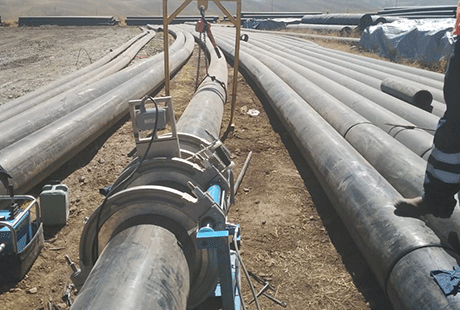
Additionally, the increase of digital modern technologies has actually changed traditional manufacturing procedures, enabling enhanced surveillance and anticipating maintenance. This change not just boosts functional efficiency yet also helps in alleviating potential failures before they rise right into important problems. In general, the landscape of pipeline manufacturing is characterized by a continuous advancement driven by development and conformity, placing the field for future development and sustainability.
Secret Standards for Choice
Picking the ideal pipeline maker entails mindful factor to consider of several crucial requirements that ensure integrity, performance, and compliance with industry requirements. Assess the supplier's experience and credibility within the sector. A reputable firm with a tested performance history is extra most likely to supply high-grade product or services.
Next off, evaluate the array of specs and materials offered. Manufacturers should give a selection of options that provide to varied task needs, consisting of various pipe dimensions, materials, and finish systems. Conformity with appropriate market criteria, such as ASTM or API, is critical, as it ensures the items fulfill safety and performance standards.
In addition, consider the supplier's technical abilities. Advanced production strategies and quality control actions can substantially impact the toughness and efficiency of the pipelines. Consumer solution and assistance are additionally essential; a experienced and receptive group can assist in smoother job execution and address any type of worries without delay.
Examine rates structures and lead times. While cost-effectiveness is important, it needs to not jeopardize quality. Stabilizing these requirements will certainly lead to a knowledgeable choice that straightens with task goals and regulative requirements.
Leading Pipeline Manufacturers
In the affordable landscape of pipeline manufacturing, several sector leaders stand out for their innovative innovations and dedication to sustainability. These top makers not only succeed in supplying high-grade products however likewise prioritize ecologically accountable techniques in their procedures. An introduction of their contributions provides beneficial insights right into the future of pipeline remedies.
Sector Leaders Introduction
How do market leaders form the pipeline manufacturing landscape? The leading pipeline suppliers play an important role in developing industry standards, driving technology, and guaranteeing quality assurance throughout the supply chain. Business such as Tenaris, Vallourec, and U.S. Steel have set benchmarks for performance, sustainability, and security, affecting not simply their procedures but likewise their competitors.
These leaders invest significantly in research study and advancement to improve item resilience and efficiency. Their commitment to sticking to governing conformity and international criteria cultivates customer count on and motivates industry-wide adoption of best practices. They commonly work together with stakeholders, including designers and building and construction companies, to ensure that their products fulfill certain task needs and environmental considerations.
Market leaders additionally prioritize consumer connections, using tailored solutions and remarkable solution, which enhances their market placement. By leveraging economic climates of scale, they can supply competitive pricing without jeopardizing quality. Inevitably, the impact of these manufacturers expands beyond their items; they form the future of pipeline innovation and manufacturing processes, ensuring a resilient and lasting infrastructure for different industries worldwide.
Ingenious Technologies Offered
What ingenious modern technologies are transforming the pipeline manufacturing sector? Recently, leading pipeline manufacturers have welcomed advanced modern technologies to enhance effectiveness, integrity, and safety in their operations. One substantial development is the assimilation of clever pipeline monitoring systems, using Net of Points (IoT) sensors. These systems give real-time data on pipeline conditions, making it possible for proactive maintenance and minimizing the danger of leaks or failings.
In addition, manufacturers are progressively embracing innovative products, such as composite pipes, which use boosted toughness and resistance to deterioration. These products not just expand the lifespan of pipelines but also decrease operational expenses gradually. Additive manufacturing, or 3D printing, is revolutionizing the production process. This innovation enables fast prototyping and customization of components, enhancing supply chains and lowering waste.
Artificial knowledge (AI) and equipment understanding formulas are also acquiring traction, optimizing layout procedures and anticipating maintenance schedules. By examining vast datasets, these innovations help determine prospective issues before they develop, boosting security and operational efficiency. As these cutting-edge modern technologies remain to progress, they assure to shape the future of pipeline manufacturing, making sure that projects can be finished in a timely manner and within budget plan while preserving the utmost safety criteria.
Sustainability Practices Highlighted
The continuous developments in innovative modern technologies within the pipeline manufacturing sector are matched by a growing focus on sustainability practices amongst leading producers. These companies are progressively adopting eco-friendly approaches, decreasing waste, and decreasing their carbon footprints throughout the manufacturing process.
Leading suppliers are focusing on using recycled materials, boosting the lifecycle of their products. By implementing closed-loop systems, they effectively make use of sources, consequently decreasing the ecological impact connected with raw product removal and processing. In addition, many companies are buying renewable resource sources to power their procedures, even more minimizing greenhouse gas emissions.
Furthermore, pipeline suppliers are welcoming innovative finishes and products that enhance deterioration resistance and long life, which eventually lowers the regularity of replacements and repair services. These sustainable methods not just add to ecological stewardship but also align with the growing regulative demands and market assumptions for accountable manufacturing.
In addition, cooperation with stakeholders to cultivate sustainability initiatives showcases a commitment to a greener future. By concentrating on lasting techniques, leading pipeline suppliers are not just improving their operational efficiency but also setting a benchmark for industry criteria, advertising an extra sustainable pipeline framework for all.
Innovative Technologies
The pipeline sector is witnessing a transformative change with the combination of innovative technologies, particularly in innovative materials development and clever pipeline surveillance systems. These innovations not just enhance the toughness and performance of pipelines but additionally enhance safety and environmental stewardship. As manufacturers welcome these sophisticated options, the future of pipeline facilities looks increasingly encouraging.
Advanced Products Advancement
Innovations in innovative materials growth are reinventing the pipeline manufacturing industry, driving enhancements in effectiveness, sturdiness, and performance. The introduction of high-strength alloys and composite products has made it possible for the production of pipelines that can withstand severe conditions, including high stress and corrosive atmospheres. These products not just prolong the lifespan of pipelines however additionally reduce upkeep prices, eventually bring about improved functional performance.

Advancements in polymer science have led to the development of light-weight, versatile piping systems that are much easier to mount and move. These advancements add to reduce carbon footprints in pipeline projects, aligning with global sustainability goals. On top of that, the integration of nanotechnology in material development is opening up brand-new opportunities for boosting the mechanical buildings of typical products, leading to pipes that can endure greater tension while maintaining integrity.
As suppliers proceed to buy research study and development, the pipeline market is witnessing an unmatched evolution in material capacities. This concentrate on sophisticated materials not just supports the expanding need for trustworthy facilities but additionally promotes a competitive landscape where business can distinguish themselves via premium product offerings. The future of pipeline manufacturing is certainly linked with these groundbreaking innovations.
Smart Pipeline Keeping Track Of Equipments
Smart pipeline tracking systems are transforming the landscape of pipeline monitoring by integrating innovative technologies such as IoT sensors, man-made knowledge, and real-time data analytics. HDPE Pipe Supplier. These systems allow drivers to monitor the honesty and performance of pipes continuously, considerably decreasing the threat of leaks and failings
Via the implementation of IoT sensors along pipeline courses, operators collect important information on flow, pressure, and temperature rates. This data is sent in real-time to centralized tracking systems, permitting for immediate assessment and feedback to anomalies. Advanced artificial knowledge formulas assess this information to identify patterns, anticipate possible problems, and suggest preventative procedures before they rise into pricey troubles.
The application of smart tracking systems not only boosts functional performance yet likewise fosters compliance with governing standards. By providing comprehensive reports and insights, these innovations sustain better decision-making and danger monitoring. Furthermore, the integration of device knowing capabilities allows systems to improve in time, adapting to changing problems and enhancing anticipating precision.
As the industry remains to accept these developments, clever pipeline monitoring systems are positioned to play a critical function in making sure the safety and security, integrity, and sustainability of pipeline infrastructure. HDPE Pipe Supplier.
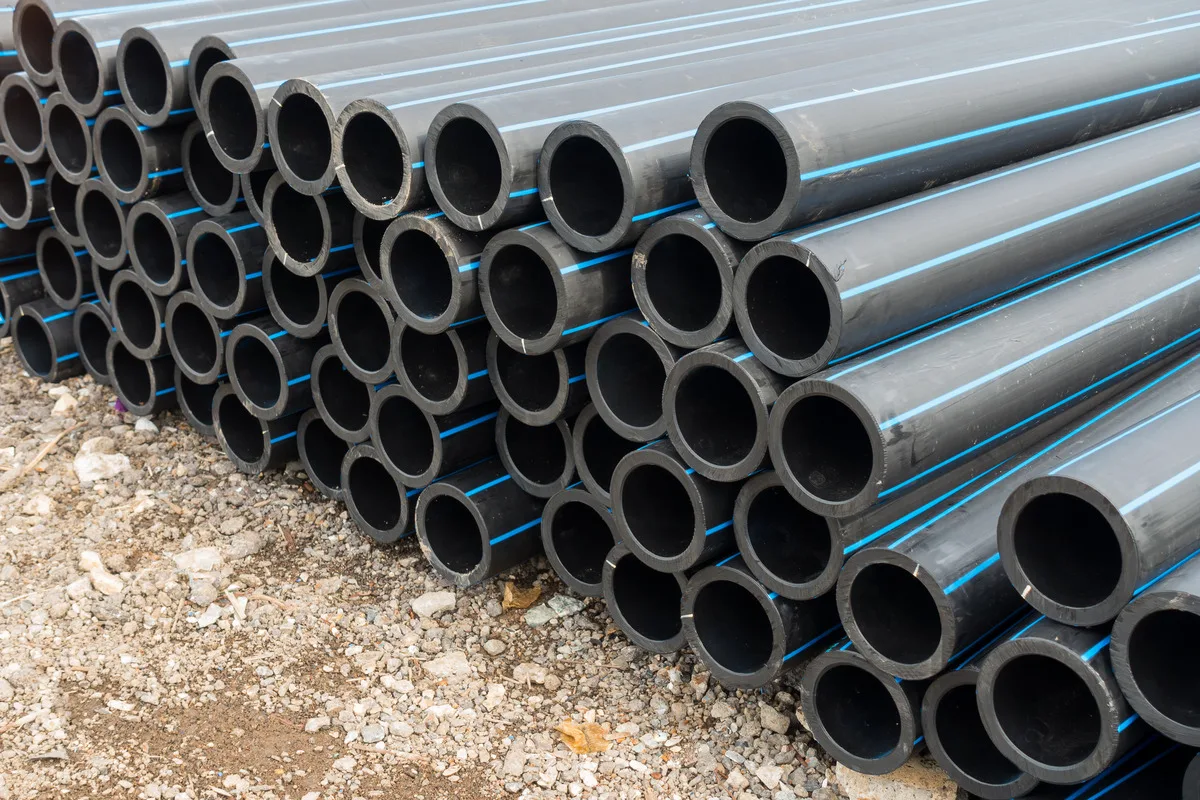
Instance Studies of Success
Success stories within the pipeline manufacturing market illuminate the effectiveness of ingenious solutions and collaboration among stakeholders. One noteworthy case is the collaboration between a leading producer and an oil firm to execute a modern clever pipeline tracking system. The task significantly lowered leakage discovery times and enhanced functional effectiveness, showcasing the value of advanced modern technology in enhancing safety and reducing prices.
An additional example involves a maker that efficiently integrated sustainable products right into their pipeline building. By collaborating with research study establishments, they developed a composite material that is not only sturdy but also environmentally friendly. This advancement not only satisfied regulatory needs but also drew in brand-new customers looking for sustainable services.
In addition, a pipe task in a challenging geographical region demonstrated the importance of adaptive design methods. The producer worked together with regional designers to design a pipeline that could withstand extreme climate condition, ultimately protecting against service disturbances and ensuring integrity for end-users.
These instance researches exhibit exactly how calculated partnerships, technological innovations, and flexible options in the pipeline manufacturing industry lead to successful project end results, therefore strengthening the market's commitment to providing high-grade framework while attending to client requires properly.
Sustainability Practices
As the pipeline manufacturing industry advances, the combination of sustainability techniques has become progressively crucial. Manufacturers are embracing environmentally friendly products and processes to decrease their environmental influence while maintaining high standards of high quality and safety. This shift is driven by both governing needs and an expanding recognition of environmental obligation among stakeholders.
One prominent method is using recycled materials in pipeline production, which lowers the need for virgin resources and lowers waste. Firms are also purchasing energy-efficient manufacturing techniques, thus lowering their carbon impact throughout manufacturing. In addition, many suppliers have actually adopted water preservation methods, making certain that water usage is minimized and wastewater is dealt with properly.
Lasting transport techniques are being next page utilized to deliver materials, including maximizing logistics to reduce discharges. The commitment to lifecycle analyses permits producers to examine the environmental impact of their products from beginning to disposal, promoting not only sustainability but likewise lasting financial stability.
Inevitably, the fostering of sustainability practices in pipeline manufacturing indicates an important action towards lining up sector procedures with international environmental objectives, making certain that future jobs are both liable and ingenious - Texas Pipeline Manufacturer. - Pipeline Manufacturer
Future Patterns in Pipeline Manufacturing
What advancements are on the horizon for pipeline manufacturing? As the industry progresses, a number of vital patterns are forming the future of pipeline manufacturing. First, the combination of advanced products such as composite pipelines assures boosted toughness and resistance to deterioration, thus prolonging the life-span of pipes. These products not only lower maintenance expenses yet additionally boost safety standards.
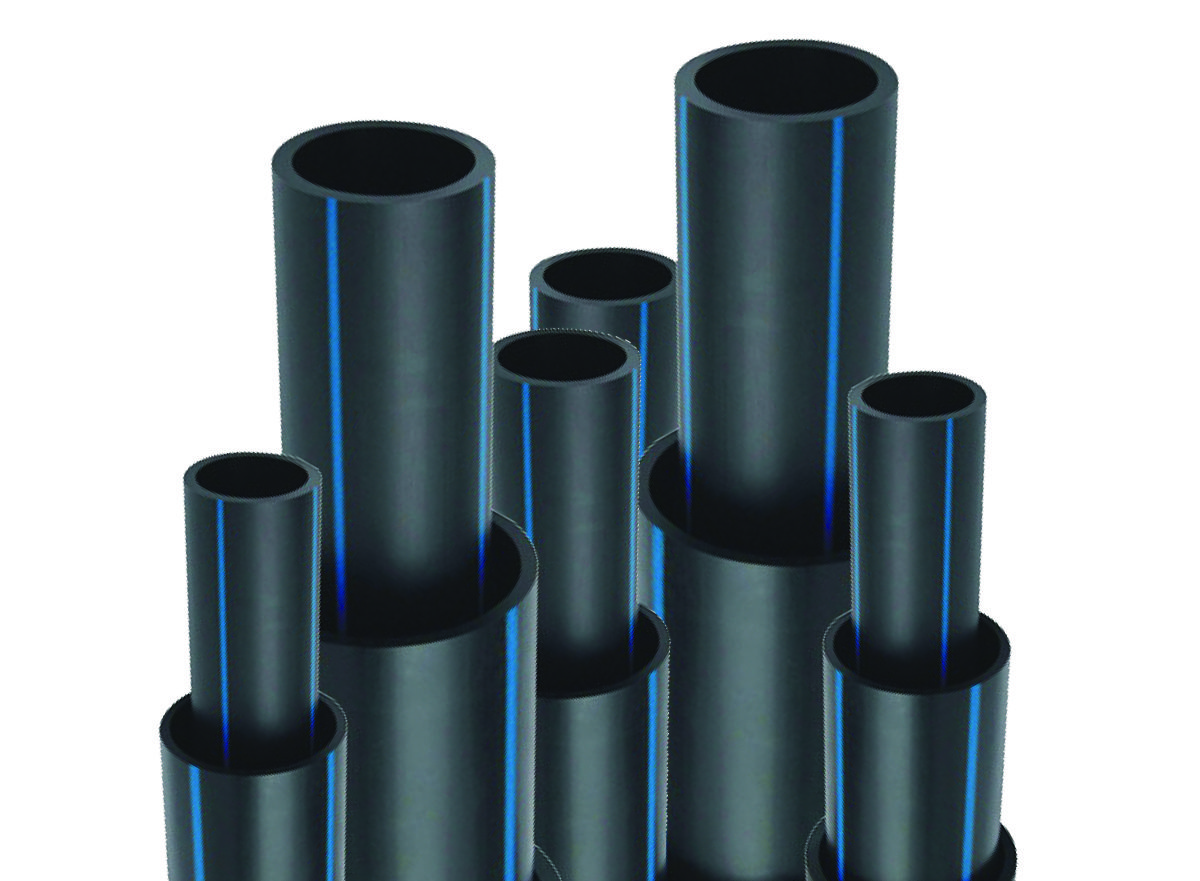
Sustainability remains an essential focus, with manufacturers significantly prioritizing green techniques. The advancement of naturally degradable products and the application of recycling programs are acquiring traction, straightening with international environmental goals.
Frequently Asked Concerns
What Materials Are Frequently Utilized in Pipeline Manufacturing?
Usual products utilized in pipeline manufacturing include carbon steel, stainless-steel, polyethylene, and ductile iron (American Plastics LLC HDPE Pipeline Manufacturer). Each product offers unique benefits relating to strength, rust resistance, and viability for various applications within the pipeline industry
Just how Lengthy Does the Pipeline Manufacturing Refine Usually Take?
The pipeline manufacturing process normally ranges from a couple of weeks to several months, depending upon factors such as product option, manufacturing capacity, and personalization requirements. Effective planning and sychronisation can greatly affect the general timeline.
What Are the A Lot Of Common Pipeline Sizes Available?
One of the most usual pipeline dimensions vary from 2 inches to 48 inches in size. Variability exists based upon certain applications, industry requirements, and regional requirements, making sure flexibility to fulfill diverse project demands and operational needs.
Exist Guarantees Offered on Pipeline Products?
Yes, many pipeline manufacturers use warranties on their items, typically covering material issues and handiwork. The period and terms of these warranties vary by maker, so it is important to evaluate details policies before acquisition.
Exactly how Do I Ensure Proper Installation of Pipelines?
To guarantee correct setup of pipes, comply with sector requirements, utilize certified professionals, conduct thorough website assessments, execute quality assurance measures, and safe compliance with guidelines. Routine inspections and maintenance even more enhance pipeline performance and durability.
Pipeline suppliers are accepting advanced layers and materials that improve deterioration resistance and longevity, which eventually reduces the frequency of replacements and fixings. The pipeline sector is experiencing a transformative shift with the integration of innovative modern technologies, particularly in innovative products growth and wise pipeline monitoring systems. As makers proceed to spend in research and development, the pipeline sector is observing an extraordinary evolution in product capabilities. Smart pipeline tracking systems are transforming the landscape of pipeline management by incorporating innovative technologies such as IoT sensors, synthetic knowledge, and real-time information analytics. Yes, several pipeline makers offer warranties on their items, typically covering product issues and handiwork.